
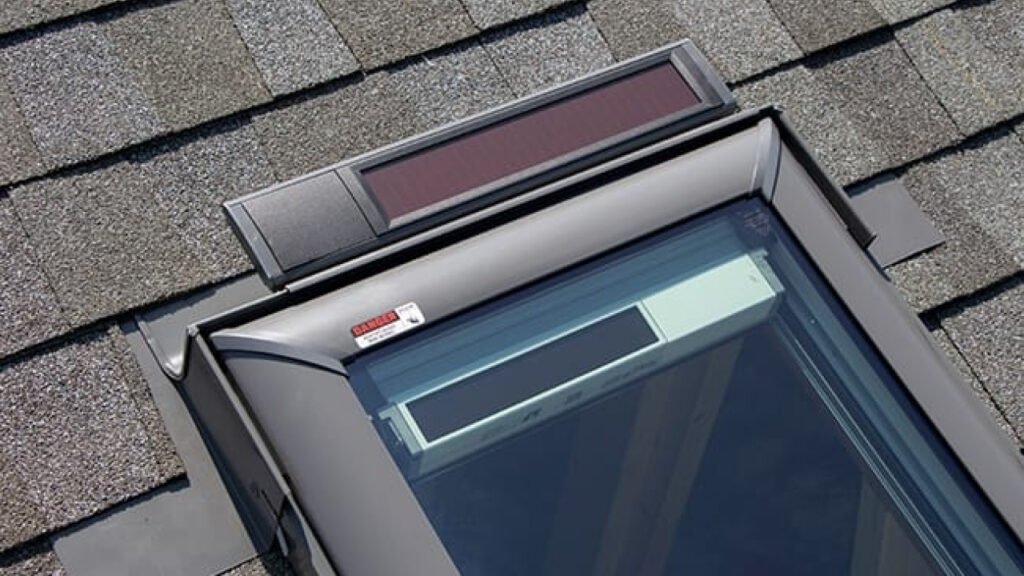

Skylights are one of the most rewarding architectural additions to any Toronto home, bathing kitchens, stairwells, and cathedral ceilings in vibrant natural light. However, living in Southern Ontario places continuous stress on roof-mounted windows. Toronto’s climate fluctuates rapidly from sub-zero winter freezes, heavy snowloads, and ice damming to intense summer heat waves and driving rainstorms.
Over a skylight’s lifecycle, exposure to these extreme temperature changes can cause rubber gaskets to shrink, perimeter flashing to corrode, or internal thermal seals to break. When a leak or mechanical malfunction occurs, opting for prompt velux skylight repair protects your home’s interior finishes and ceiling drywall while preserving the structural integrity of your roof deck framing.
Common Signs Your VELUX Skylight Needs Repair
Many homeowners assume that water dripping from a skylight during a rainstorm is the only sign of damage. However, skylight degradation manifests in several subtle ways long before water breaks through the interior ceiling drywall:
- Active Water Drops or Ceiling Staining: Water stains, yellowed drywall rings, or peeling paint along the interior light shaft indicate that water is bypassing the exterior flashing, underlayment membrane, or frame seals.
- Internal Condensation or Fogging Between Panes: If moisture, mist, or white mineral film develops between the dual glass panes of your VELUX window, the double-glazed seal has failed. Once the insulating argon gas escapes, the window loses its thermal insulation capabilities.
- Cold Drafts and Winter Heat Loss: Feeling a noticeable cold downdraft beneath your skylight during freezing weather points to cracked weatherstripping, frame shrinkage, or improper light shaft insulation.
- Squeaking, Sticking, or Failed Motor Mechanisms: For manual or solar/electric venting models, binding gears, unaligned chain operators, or unresponsiveness to wireless remotes signal mechanical wear or control board issues.
- Visible Exterior Flashing Dislodgement: Missing shingles, lifted step flashing, or accumulated debris around the upper head flashing alter natural water flow, forcing rainwater back up under the roofing shingles.
Diagnosing the Root Cause: Flashing vs. Seal vs. Condensation
Accurately diagnosing a skylight issue prevents wasting money on unnecessary fixes. Professional repair technicians classify skylight problems into three distinct categories:
1. Flashing and Roof Integration Failures
Flashing failure is responsible for over 85% of active skylight leaks in the Greater Toronto Area. Improper installation, shifting roof shingles, or corroded metal step flashing pieces allow water to migrate beneath the roofing material. Replacing worn metal flashing with engineered step-flashing kits creates a permanent, gravity-fed water diversion barrier.
2. Frame Seal and Weatherstripping Wear
Outer perimeter gaskets and rubber weather seals expand and contract under intense UV radiation and freezing temperatures. Over time, these materials harden, crack, or peel away from the glass frame, enabling wind-driven rain to enter around the glass perimeter.
3. Indoor Condensation vs. True Leaks
In cold Toronto winters, warm interior humidity rises into deep skylight shafts. When warm air strikes single-glazed or uninsulated glass surfaces, condensation forms on the interior pane and drips down the wall—mimicking a roof leak. Improving attic vapor barriers, adding low-expansion foam insulation around the shaft, or upgrading to Low-E insulated glass solves condensation issues.
Average VELUX Skylight Repair Costs in Toronto
Repair costs vary depending on roof pitch, accessibility, whether the issue is mechanical or structural, and the extent of flashing or seal damage. The table below outlines typical pricing across Toronto and the GTA:
| Repair Service Category | Typical Issue Addressed | Estimated Cost Range (CAD) |
| Basic Seal & Weatherstripping Replacement | Dried out perimeter gaskets, caulking breaches, or loose trim | $250 – $450 |
| Engineered Flashing Repair / Re-Flashing | Corroded step-flashing, improper shingle interlocking, minor leaks | $450 – $850 |
| Glass Pane / Insulated Glass Unit Replacement | Fogged glass, failed thermal seals, or cracked outer tempered pane | $500 – $950 |
| Mechanical Operator & Motor Repair | Replacing manual cranks, solar motors, rain sensors, or remotes | $350 – $750 |
| Emergency Leak Tarping & Repair | Urgent storm damage mitigation, temporary weatherproofing | $300 – $600 |
| Full Unit Replacement (When Beyond Repair) | Aged, rotted, or structurally compromised glass and curb units | $1,200 – $2,600 |
Step-by-Step Professional Repair Workflow
A lasting skylight repair requires methodical execution across roofing, carpentry, and waterproofing disciplines. Certified technicians follow a structured four-step restoration process:
- Comprehensive Diagnostic Inspection
Technicians inspect the exterior roof deck, checking shingle alignment, flashing integration, and sealant condition, while evaluating the interior light shaft for structural framing rot. - Targeted Disassembly and Cleaning
Damaged shingles, old step flashing, and degraded caulking are removed down to the clean roof deck or wooden curb perimeter to expose hidden rot or structural gaps. - Membrane and Flashing Re-Integration
Self-adhering ice-and-water shield membranes are applied directly over the curb and surrounding plywood. New, precision-fit metal step flashing is woven into the shingle courses step-by-step to shed water naturally via gravity. - Hardware Calibration and Waterproof Testing
For venting models, mechanical operators, hinges, and rain sensors are lubricated, realigned, and tested. Water tests are performed to verify that the repair is 100% watertight before job sign-off.
Repair vs. Replacement: Making the Economical Choice
Deciding whether to repair an existing VELUX unit or invest in a full replacement depends on the unit’s age, overall structural health, and the underlying cause of damage:
- When Repair is the Right Choice: If your VELUX skylight is under 10 to 12 years old, the glass unit remains clear, and the issue is restricted to shifted step flashing, a broken crank handle, or worn weatherstripping, targeted professional repair is fully cost-effective.
- When Full Replacement is Recommended: If your skylight is over 15 to 20 years old, exhibits permanent internal glass fogging, or features a rotted wooden frame, repair attempts are usually temporary patches. Modern VELUX replacements incorporate advanced Low-E3 double-pane glass, energy-efficient framing, and factory-matched flashing kits that provide decades of maintenance-free performance.
Preventing Emergency Leaks During Toronto Winters
Severe winter weather creates ice dams when snow melts on upper roof areas and freezes along cold roof overhangs, forcing standing water back up under skylight flashing. Homeowners can take several preventive measures before winter sets in:
- Clear Debris Annually: Remove leaves, twigs, and pine needles from the upper head-flashing trough every autumn to ensure unobstructed water drainage.
- Inspect Interior Humidity Levels: Maintain home indoor relative humidity between 30% and 40% during winter months to minimize condensation along high skylight light wells.
- Schedule Pre-Winter Inspections: Have a professional technician inspect perimeter seals and shingle alignment every 2 to 3 years to catch micro-cracks before winter freeze-thaw cycles expand them.
Frequently Asked Questions
Can a fogged VELUX skylight pane be repaired without replacing the whole unit?
Yes. If the frame and flashing remain structurally sound, a certified technician can replace just the insulated glass unit (IGU), restoring thermal insulation and optical clarity without removing the entire frame from the roof.
How long does a typical skylight repair take?
Most targeted repairs—such as re-flashing, replacing rubber gaskets, or swapping out a mechanical motor operator—are completed in 2 to 4 hours.
Is caulking around a leaky skylight a permanent fix?
No. Standard silicone or roof caulking is a temporary patch. Thermal expansion causes caulking to crack and pull away within months. Permanent leak repairs require stripping back shingles and installing interlocking metal step-flashing and waterproof underlayment membranes.